How Breathing Can Calm Your Anger: The Science Behind Your Next Deep Breath
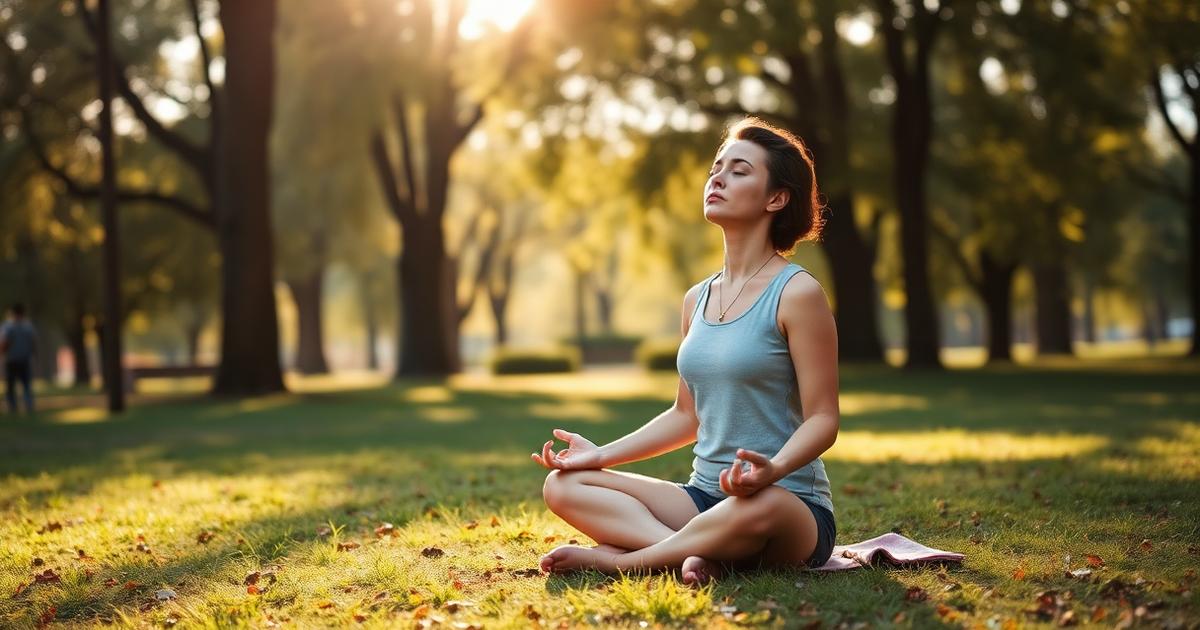
You've probably heard it a thousand times: "Just take a deep breath." And if you're anything like most people who struggle with anger, that advice probably makes you want to scream.
But here's the thing — the people saying it aren't entirely wrong. They're just doing a terrible job of explaining why it works and how to actually do it properly.
Because breathing isn't just a platitude. It's one of the most powerful, evidence-based tools you have to interrupt the anger response — and it's available to you 24/7, completely free, no app required.
What Actually Happens in Your Body When You Get Angry
Before we talk about breathing, let's talk about what anger does to your body — because understanding this is the key to understanding why breathing is so effective.
When something triggers your anger, your amygdala — the brain's threat detection centre — fires an alarm signal. Within milliseconds, your body launches into fight-or-flight mode:
- Your heart rate spikes (sometimes by 20-30 beats per minute)
- Your blood pressure rises
- Adrenaline and cortisol flood your system
- Blood flows away from your digestive system and toward your muscles
- Your prefrontal cortex — the rational, decision-making part of your brain — goes partially offline
This is why you say things you regret. Your thinking brain has literally been hijacked by your survival brain. You're operating on autopilot, and that autopilot was designed for fighting off predators — not having a conversation with your partner about the dishes.
Why Breathing Is Your Secret Weapon
Here's the beautiful thing about breathing: it's the only autonomic function you can consciously control.
You can't will your heart rate to slow down. You can't command your blood pressure to drop. You can't tell your adrenal glands to stop pumping cortisol. But you can change how you breathe.
And when you change how you breathe, everything else follows.
Slow, deliberate breathing activates your vagus nerve — the longest nerve in your body, running from your brainstem all the way down to your abdomen. The vagus nerve is the main highway of your parasympathetic nervous system, which is your body's "rest and digest" mode — the opposite of fight-or-flight.
When you stimulate the vagus nerve through controlled breathing:
- Your heart rate decreases
- Your blood pressure normalises
- Cortisol production slows
- Your prefrontal cortex comes back online
- You regain the ability to think clearly and make rational decisions
In other words, breathing is the manual override switch for your anger response.
The Problem With "Just Breathe"
So why doesn't it always work? Because most people do it wrong.
When someone tells you to "take a deep breath" during an argument, you probably take a quick, shallow gulp of air into your upper chest. That's not calming — it can actually make things worse by reinforcing the hyperventilation pattern that comes with stress.
Effective anger-calming breathing has three essential components:
- It's diaphragmatic — you breathe into your belly, not your chest
- The exhale is longer than the inhale — this is what activates the vagus nerve
- It's practiced regularly — not just during a crisis
Your First Technique: The 4-7-8 Breath
Popularised as the 4-7-8 breath and influenced by pranayama practice, this paced-breathing exercise is one option for slowing down during anger:
- Inhale through your nose for 4 counts
- Hold your breath for 7 counts
- Exhale slowly through your mouth for 8 counts
- Repeat 3-4 times
Why does this work so well? The extended exhale is the key. When you exhale for longer than you inhale, you're directly stimulating the vagus nerve and telling your nervous system: "We're safe. Stand down."
The hold in the middle gives the oxygen time to saturate your blood, which further enhances the calming effect.
Pro tip: Practice this technique twice a day when you're calm — once in the morning and once before bed. This trains your nervous system to respond more quickly when you actually need it during an anger episode.
The Science: What the Research Says
This isn't just wellness fluff. The research on controlled breathing and emotional regulation is robust:
- A 2017 study in Frontiers in Psychology found that diaphragmatic breathing significantly reduced cortisol levels and improved sustained attention
- Research published in Psychophysiology showed that slow breathing (around 6 breaths per minute) maximises heart rate variability — a key marker of emotional regulation capacity
- A 2019 meta-analysis found that breathwork interventions significantly reduced anxiety, depression, and stress symptoms across 12 randomised controlled trials
The evidence is clear: changing how you breathe literally changes your brain chemistry.
When to Use Breathing for Anger
The best time to use breathing techniques is before you reach the point of no return. Here are the early warning signs that your anger is escalating:
- Your jaw clenches
- Your fists tighten
- You feel heat rising in your face or neck
- Your voice gets louder or more clipped
- You start thinking in absolutes: "You always..." or "You never..."
The moment you notice any of these signals, that's your cue. Excuse yourself if needed, and start your breathing practice.
Remember: it takes about 90 seconds for the chemical cascade of anger to pass through your body. If you can breathe through those 90 seconds without reacting, you give your rational brain time to come back online.
What's Next
The 4-7-8 breath is a powerful starting point, but it's just the beginning. In our next article, 7 Powerful Breathing Techniques to Control Anger (Beyond "Just Breathe"), we go deeper with seven more advanced techniques — including box breathing used by Navy SEALs, physiological sighing from Stanford research, and breath patterns designed for specific anger scenarios.
For now, start with the 4-7-8 breath. Practice it twice today. Your nervous system will thank you.
Want to explore more tools for managing anger? Try our free anger screening to understand your anger patterns, or explore our guided meditations designed specifically for emotional regulation.
🎯 Interested in taking some assessments?
Explore our free screenings for anger, stress, anxiety, depression, and sleep; all backed by psychology.
Ready to Take Control of Your Anger?
Our 12-module program was designed by a clinical psychologist with 30+ years experience. Build a healthier relationship with anger through structured, practical tools.
Where this fits in your journey
Hand-picked next steps for calming down fast.
Step in the ROOTS Method